
chargers
Ugreen built an AI voice recorder into a magnetic power bank, and that’s somehow not the strangest thing at CES this year
10,000 mAh of MagSafe wireless charging, a microphone, and an on-device summarizer, Ugreen’s MagFlow AI is a 2-in-1 nobody asked for and the kind of gadget everyone notices.
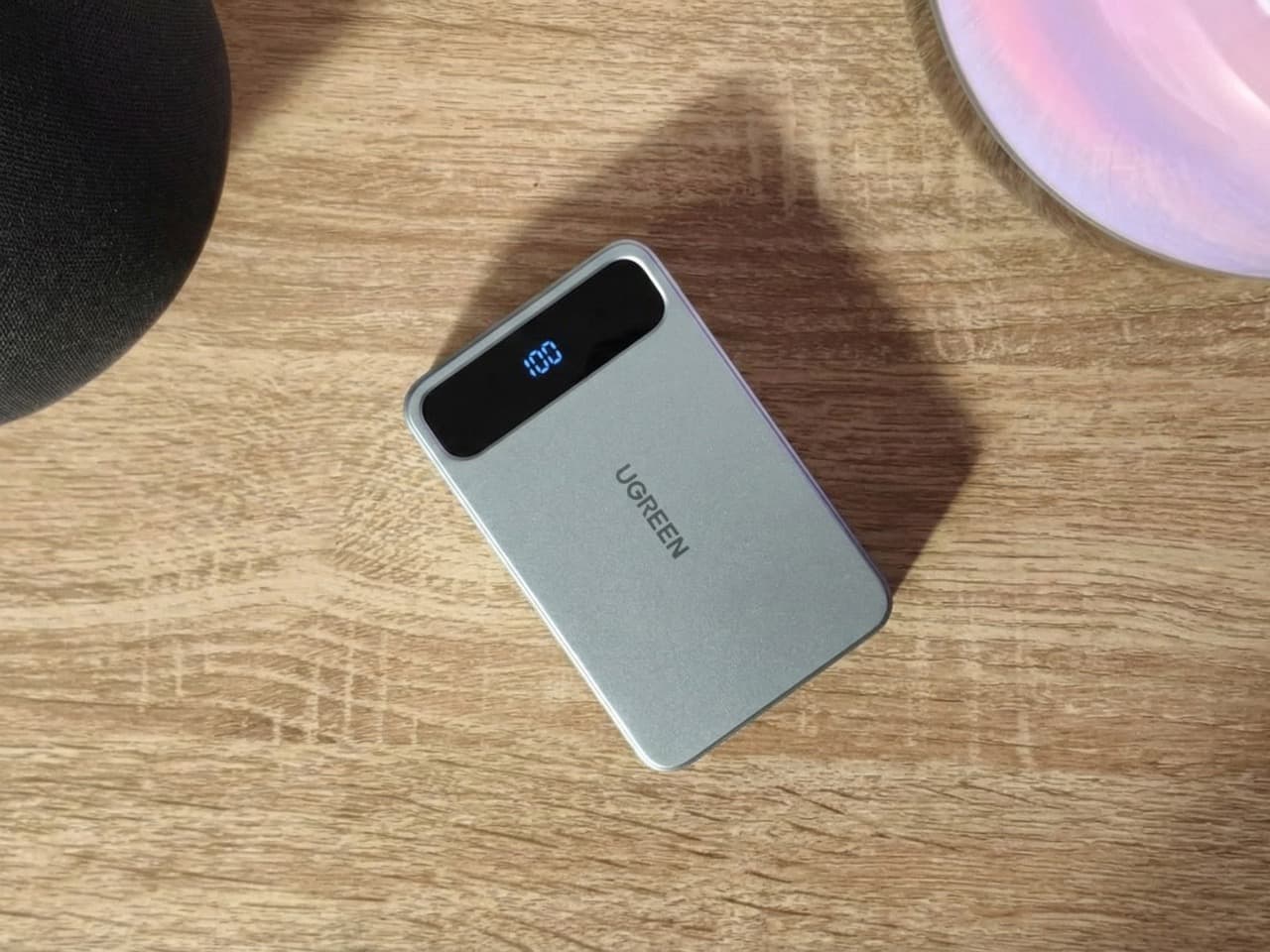
CES is the show where you go to find out which combinations of features the consumer electronics industry has decided are no longer ridiculous. The Ugreen MagFlow AI is the entry that’s hardest to argue with on first sight: a 10,000 mAh magnetic Qi2 power bank with a microphone, a recorder, and an on-device AI that summarizes whatever you captured.
The charging side is conventional and good. MagSafe-compatible wireless charging snaps onto an iPhone with a confident click; a small front display shows charge level and watts in real time. 10,000 mAh is just enough to top up an iPhone twice or get a small tablet most of the way home, a fine commuter battery.
The recording side is the part that makes the product. Press the side button and the bank captures voice memo, meeting audio or anything else its microphone hears. The AI then runs locally: it transcribes, translates if needed, and produces a short structured summary, what was discussed, what action items came up. Ugreen pitches it for students taking lecture notes, journalists capturing interviews, and the loose category of people who would record themselves if their phone weren’t the awkward thing to wave at someone.
The questions left unanswered are real ones. How do you get the recordings off the device? Where does the AI summary live? Is there a USB-C port for transfer or is everything app-mediated? Ugreen didn’t answer at CES, which is fine, none of those questions hurts the demo, but all of them will determine whether the MagFlow AI is a clever product or a clever-looking one.
Pricing isn’t announced; expect $120 or above when it ships. Full hands-on from CES on Yanko Design.
More to read
All stories →
wearables
Google’s Fitbit Air is a $99 screenless tracker, and the first Fitbit in four years that’s actually new
Fitbit Air is the first new Fitbit hardware in four years: $99, screenless, week-long battery, A-fib alerts, and a new Google Health app underneath it. Google’s answer to Whoop.
cameras
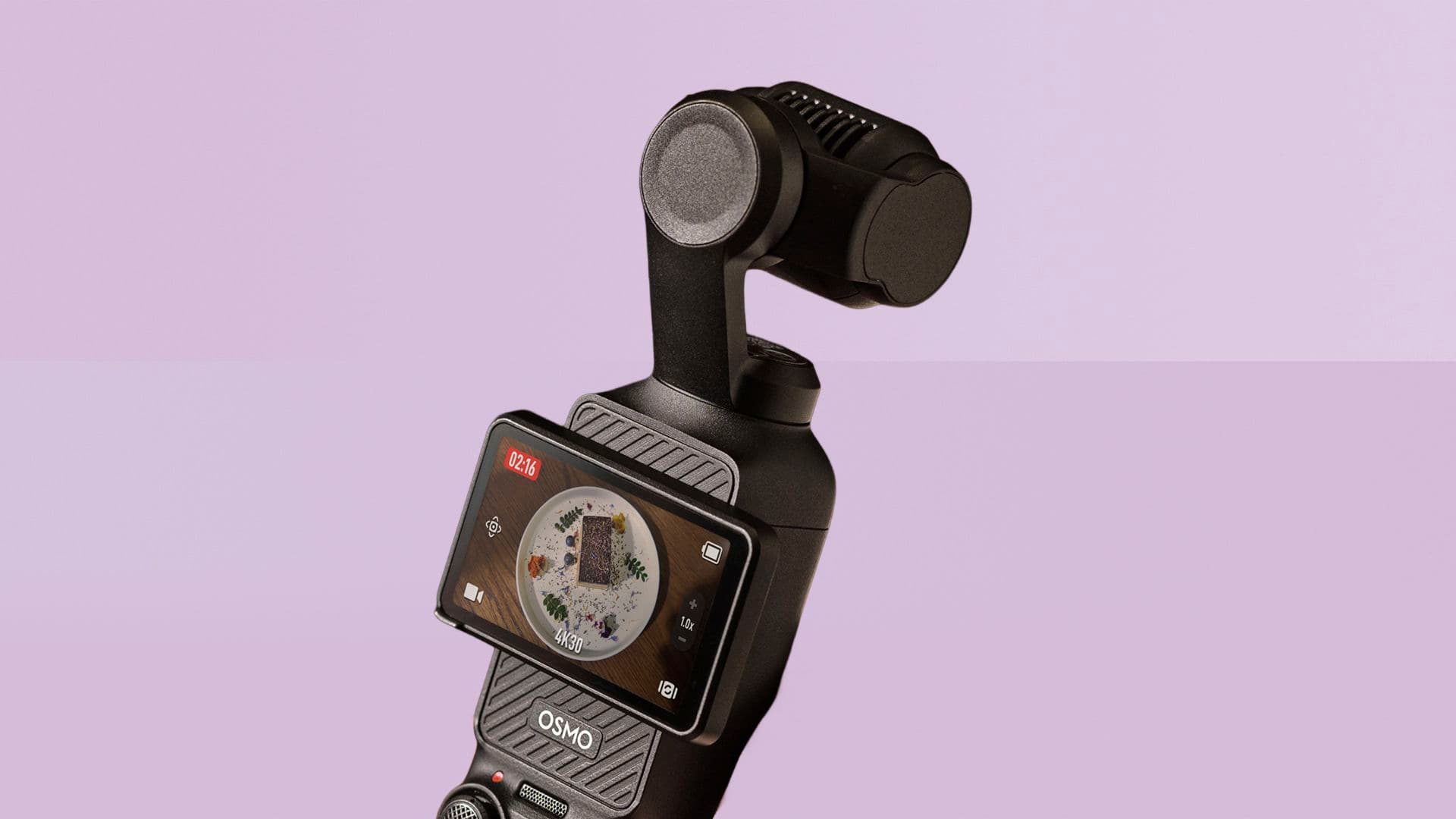
Insta360 teases Luna, a Leica-co-engineered dual-camera handheld that’s looking right at DJI’s Osmo Pocket
Insta360’s new Luna line is a dual-camera handheld with Leica branding, aimed directly at the DJI Osmo Pocket 3’s category. At NAB 2026 we got the silhouette. The reveal is coming.
cameras
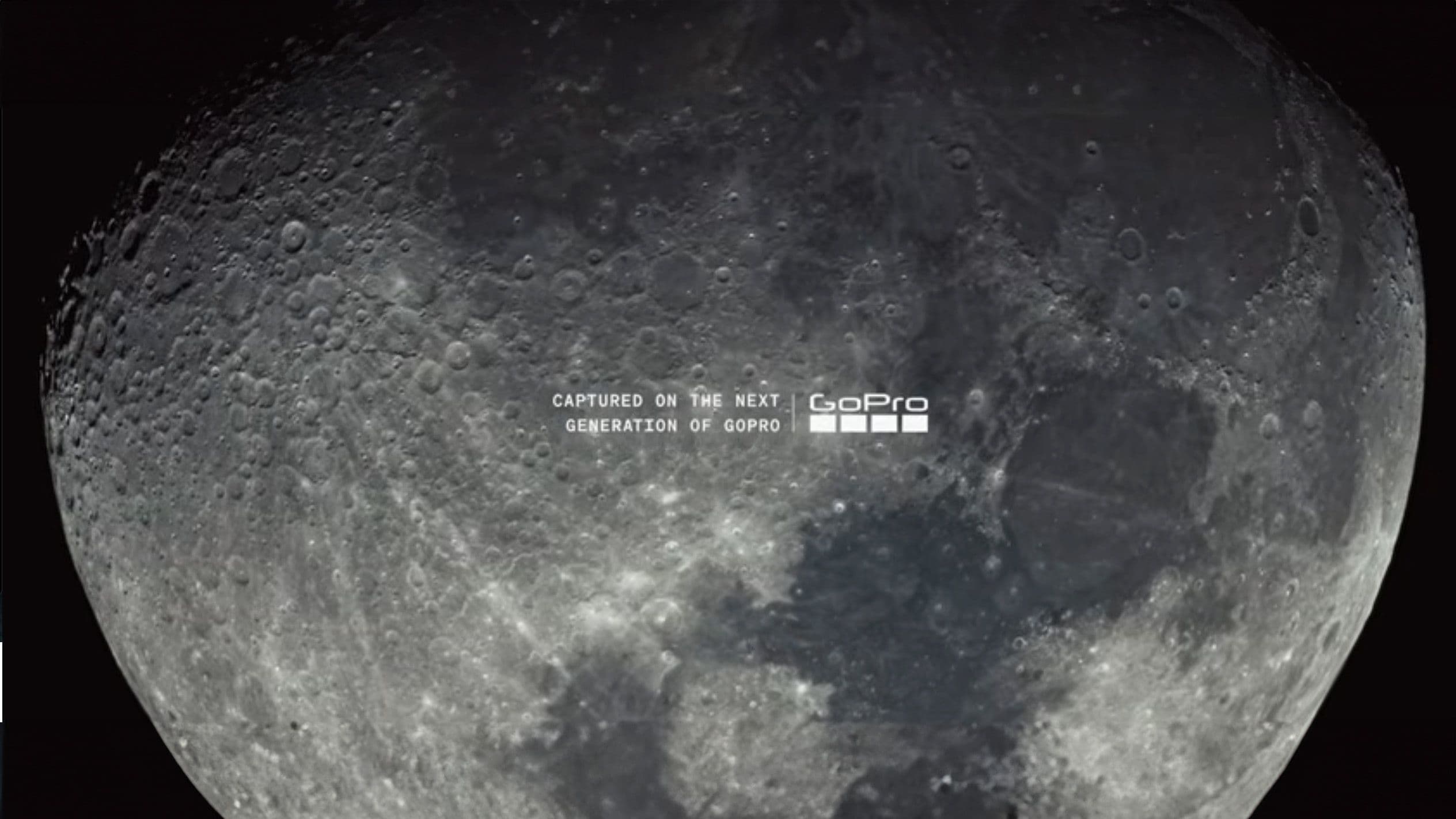
GoPro is teasing a new processor and a “cinematic” camera, and it’s the most interesting thing the company has said in five years
GoPro’s new GP3 processor and an “entirely new generation” of cameras are aimed at NAB 2026. The marketing copy, cinema-grade, AI-driven, low-light parity with DJI, reads like a reset.